Being alone and being lonely are not the same thing, and writers have spent centuries trying to say exactly where the line falls. The best quotes about solitude do not recommend isolation as a lifestyle. They describe what a person can find when the room is quiet, and they are honest about the risks. Here are five passages from Thoreau, Dickinson, Wordsworth and Milton, with their contexts, since solitude means something different in each of them.
Thoreau and the companionable silence
Henry David Thoreau lived for just over two years, from 1845 to 1847, in a small cabin he built beside Walden Pond in Massachusetts. In the chapter of his book called “Solitude” he writes:
“I never found the companion that was so companionable as solitude.”
It is easy to read this as a boast, and Thoreau does enjoy a provocation. But the chapter is gentler than the sentence. He describes feeling the presence of the pond, the rain and the woods as a kind of society, and he insists that distance from other people does not by itself make a person lonely. The word he cares about is “companionable”. Solitude, in his account, is not an absence but a different sort of company.
Two chairs for friendship
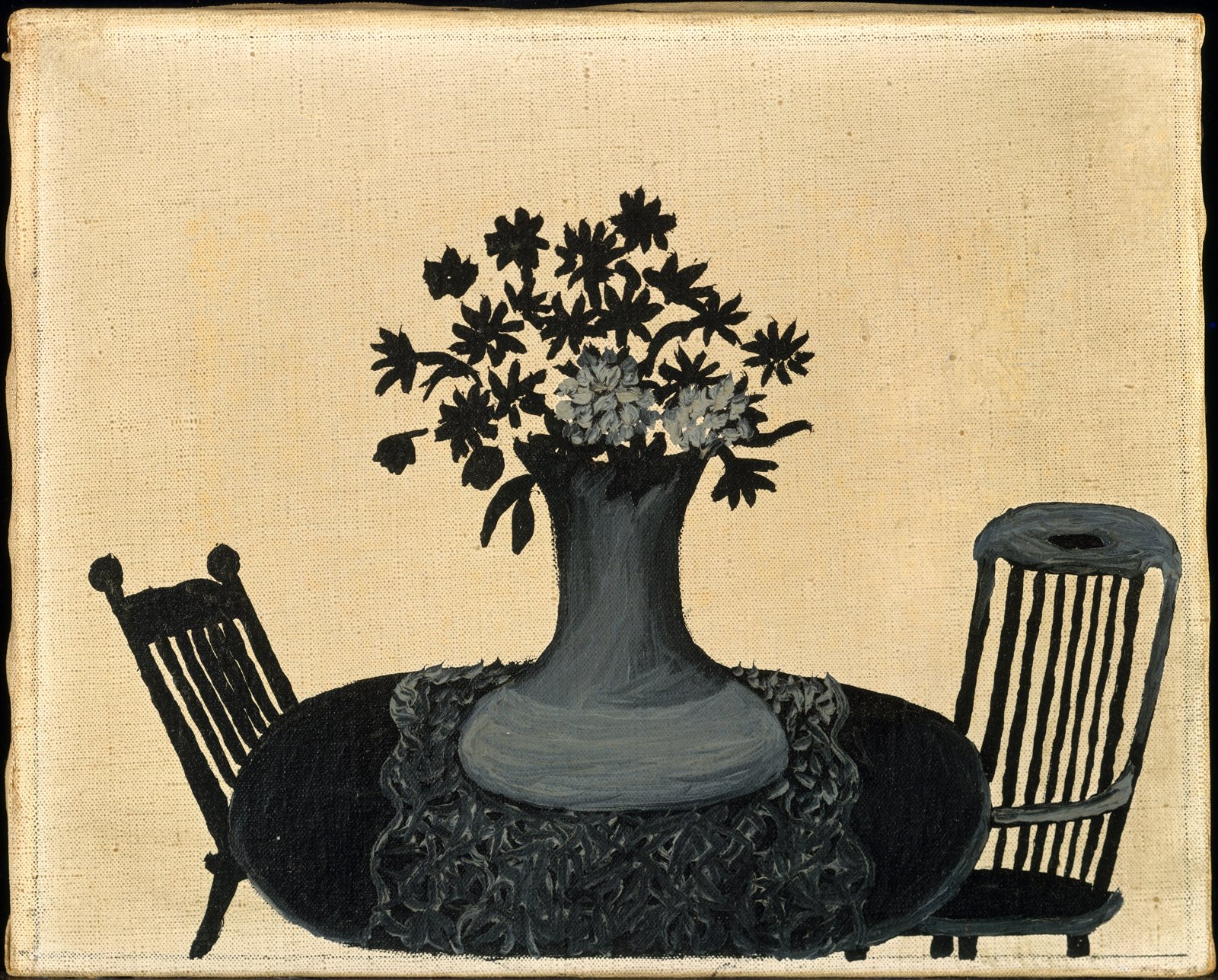
Thoreau was no hermit in practice. In the chapter “Visitors” he tells us exactly how he arranged his furniture:
“I had three chairs in my house; one for solitude, two for friendship, three for society.”
This sentence, which is fully in the text, balances the previous one. Even at the pond, he expected guests, and he often walked into the village. What he built was a house with room for all three conditions, in proportion. If you want a model of a sensible attitude toward solitude, it may be this one: you do not need to abolish company, only to keep a chair for yourself.
Dickinson shuts the door
Emily Dickinson’s treatment of solitude is firmer and a little more severe:
“The Soul selects her own Society—
Then—shuts the Door—”
The poem goes on to say that the soul is unmoved even by chariots at her gate, and even by an emperor kneeling on the mat. This is solitude as selection. The speaker is not shut out; she has chosen, and the choosing is the point. Dickinson’s own life was famously private, and readers often take the poem as her self-portrait. It is a mistake to treat it as proof she was unhappy. The poem sounds proud, even amused.
Wordsworth and the inward eye
William Wordsworth’s best-known poem about solitude does not sound solitary at first. It is about a crowd of daffodils. But look at the end of “I wandered lonely as a cloud”, where the poet lies on his couch at home in a quiet or pensive mood:
“They flash upon that inward eye
Which is the bliss of solitude;”
The flowers come back to him, not in the field, but later, alone in his room. That is his claim: solitude is where experience gets sorted and absorbed. The daffodils were lovely once; they become valuable the second time, when he is alone and can attend to them. Many writers describe their own habit this way. The event happens in company, and the meaning arrives in private.
Milton’s warning, in the Garden
John Milton gives the subject a more complicated twist in Paradise Lost. In Book Nine, Adam is arguing with Eve about whether they should work separately that day, and he concedes:
“For solitude sometimes is best society,
And short retirement urges sweet return.”
The qualifiers matter: “sometimes” and “short”. Adam is making a reasonable case for brief time apart, and he is worried about Eve’s safety all the same. She goes off, and that is the moment the serpent finds her. Milton did not write this as a handbook on solitude, and it would be wrong to read the line as pure endorsement. It is a good line inside a story that shows its dangers.
The shape of the quotes about solitude
If you look at the five passages as a conversation, a rough pattern appears:
- Thoreau says solitude can be good company.
- He then adds that you still want chairs for friends.
- Dickinson says solitude can be a deliberate choice.
- Wordsworth says solitude is where memory does its work.
- Milton says it is best when short, and risky when it is not.
None of them is arguing that other people are the problem. They are arguing that a mind needs time with itself, and that this time has to be arranged, not just endured.
A practical note for readers
It helps to remember that nearly all of these writers were also productive in company. Thoreau walked into Concord regularly and entertained visitors; Wordsworth’s best poems grew out of long walks with his sister Dorothy, whose journals described the daffodils first; Dickinson corresponded with friends constantly. Solitude in literature is usually a rhythm, not a permanent state.
There is a lesson here for anyone who feels guilty about wanting a quiet hour. The writers who defended solitude most eloquently did not use it to hide. They used it to digest what they had seen and to prepare to be good company later. Wordsworth’s flowers needed the couch. Thoreau’s chapter needed the pond. A mind that is never alone has little chance to find out what it thinks.
At the same time, none of them pretends that solitude is always pleasant. Dickinson’s door is shut firmly, which is a sign that the choice costs something, and Milton’s story ends in disaster. Taking the quotations honestly means keeping both facts in view: aloneness can be rich, and it can also be risky if it is not chosen.
Closing thought
If a quiet evening feels heavy tonight, read Wordsworth’s two lines slowly and think of one good moment you have stored away. If you are feeling crowded, borrow Dickinson’s open door and her calm. And if you are sure you need more time alone, take Milton’s advice about keeping it short enough that returning is sweet.