Most people don’t quit poetry because they dislike it. They quit because the first book they picked up was the wrong one: too dense, too dated, or too eager to be admired. A good starting list fixes that. Below are fifteen real, widely available books that tend to work for newcomers, each with one honest note about what you’re getting into.
You don’t need to read them in order. Pick the one whose description makes you curious and begin there.
How to Use This List
Read a poem aloud before you try to understand it. Read it twice. If it still does nothing for you, skip it; every collection has poems that won’t land for you on a given day. Keep a pencil handy, and mark only the lines you’d want to say to someone else.
The Classics That Still Feel Alive
1. Shakespeare, Sonnets (1609)
One hundred fifty-four poems about desire, jealousy, ageing and the stubborn hope of being remembered. Start with the ones you half know and work outward; the language is older, but the feelings aren’t.
2. Wordsworth and Coleridge, Lyrical Ballads (1798)
The book that helped push English poetry toward everyday speech and ordinary people. Some of it is slow going, but “We Are Seven” and Coleridge’s ghostly “Rime of the Ancient Mariner” show how strange the plain style could get.
3. Emily Dickinson, Collected or Selected Poems
Short, odd, punctuated with dashes, and unnervingly sharp. Choose a selected edition first; reading all of her at once is like eating a jar of pepper.
4. Walt Whitman, Leaves of Grass (first published 1855)
Long lines, loud joy, and a poet who wants to hug the whole country. It can feel like too much, so read “Song of Myself” in small sections.
Twentieth-Century Voices
5. Langston Hughes, The Weary Blues (1926)
Jazz rhythms and blues lines in poems about Black life in America. Easy to enter, hard to forget.
6. Pablo Neruda, Twenty Love Poems and a Song of Despair (1924)
Passionate, sensual and a little overheated, which is partly why people love it. Translations differ a lot, so sample a couple before buying.
7. T. S. Eliot, The Waste Land (1922)
Not a gentle start, but a landmark. Read it with an annotated edition and don’t worry about catching every reference; the mood arrives first.
8. Elizabeth Bishop, Poems
Calm, exact, quietly funny. Her eye for detail teaches you how to look at a fishing boat or a map, and “One Art” is one of the best entry points to grief in poetry.
9. Sylvia Plath, Ariel (1965)
Fierce, controlled and often dark. It’s a powerful book, but maybe not the one to read on a bad week.
10. Seamus Heaney, Death of a Naturalist (1966)
Farms, mud, blackberries and memory, written with a muscular sense of sound. A wonderful book for people who think they don’t like “poetic” poems.
Contemporary and Global Choices
11. Maya Angelou, And Still I Rise (1978)
Direct, rhythmic and meant to be spoken. The title poem works best when you hear it out loud.
12. Wisława Szymborska, Map: Collected and Last Poems
The Polish Nobel laureate writes with wit, skepticism and surprising tenderness. If you want poems that think without lecturing, begin here.
13. Mary Oliver, New and Selected Poems
Walks, geese, grasshoppers, attention. Some critics find her too gentle; I’d say gentleness is harder to write than it looks.
14. Ocean Vuong, Night Sky with Exit Wounds (2016)
Modern, lyrical and often painful, with images that stay put. Good proof that new poetry can be both strange and accessible.
15. A bilingual selection of Ghalib
Mirza Ghalib, the nineteenth-century Urdu master, is best met with the original text beside a translation. Different translators give very different Ghalibs, so don’t judge him by a single English version. If you already read Urdu, you have a head start.
What to Read After the List
- A big anthology such as The Norton Anthology of Poetry, for browsing across centuries.
- One poet you loved, read in depth rather than another sampler.
- A poem a day, read aloud, for a month.
“A thing of beauty is a joy for ever.”
John Keats, Endymion, 1818
Keats wasn’t promising that poetry would be easy. He was saying it keeps paying you back, and that’s the right expectation to bring to any of these books.
Common Mistakes Beginners Make
- Hunting for the “hidden meaning” before enjoying the sound.
- Buying a complete works when a selected volume would do.
- Assuming a poem you don’t get is a failure on your part.
- Reading only silently.
A Note on Buying and Borrowing
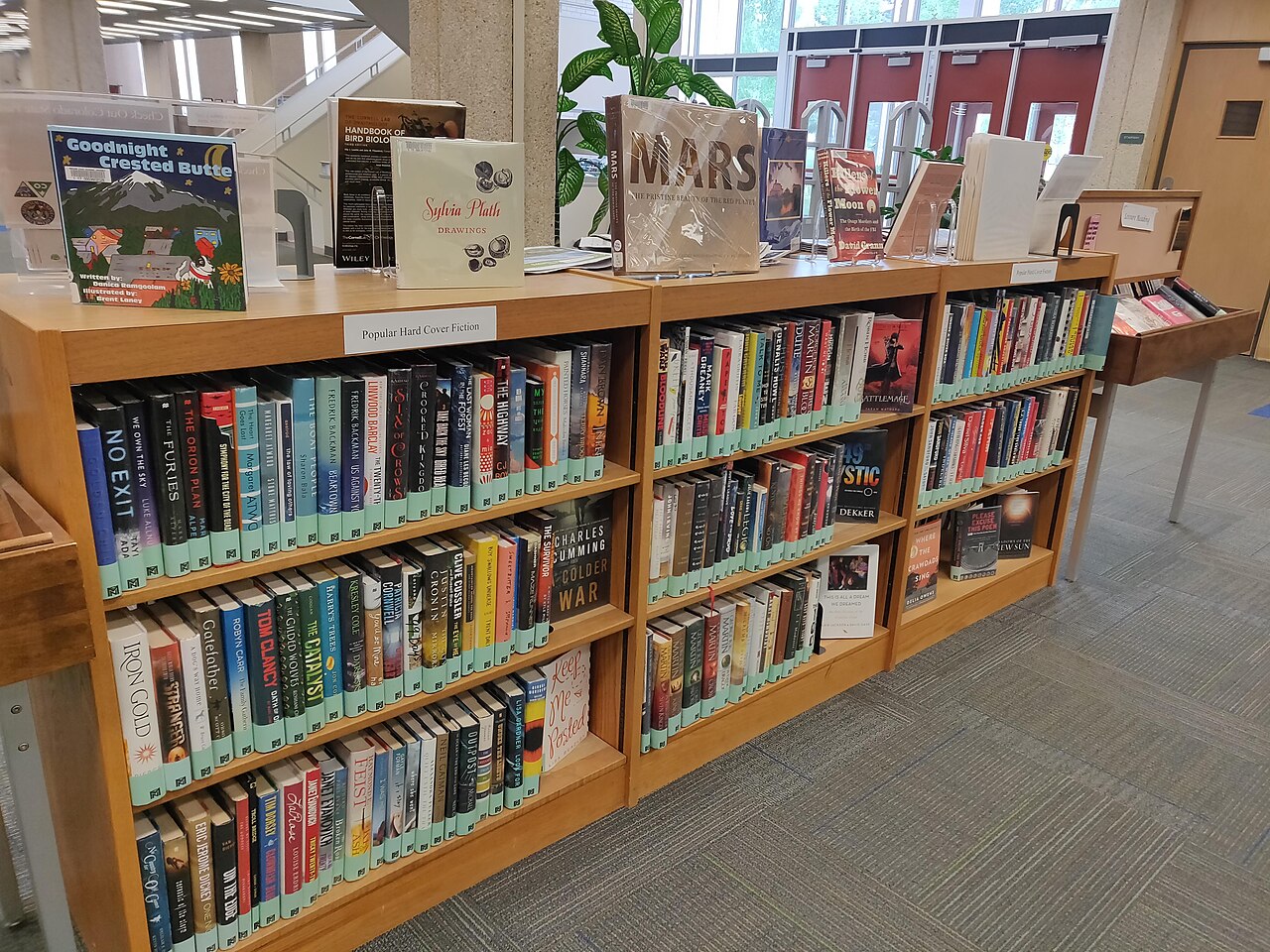
Poetry is cheap to sample. Public libraries usually stock most of these titles, and second-hand shops are full of battered anthologies that cost less than a coffee. Borrow first, buy the ones you find yourself renewing. A book you’ve underlined and carried around is worth ten you admire on a shelf.
It also helps to mix eras. Follow a dense book like Eliot with something open like Oliver, or a quiet one like Bishop with a loud one like Whitman. Variety keeps you from deciding that you dislike poetry when you really dislike one style.
Frequently Asked Questions
Which book on this list is best for a complete beginner?
Mary Oliver, Maya Angelou or Langston Hughes are the gentlest entries. All three write clearly and reward reading aloud.
Do I need to read poetry in chronological order?
No. Chronology helps scholars, not first-time readers. Follow your curiosity and fill in history later.
How do I choose between translations?
Read the first page of two or three versions in a bookshop or library sample. Choose the one that sounds like a living voice, not a textbook.