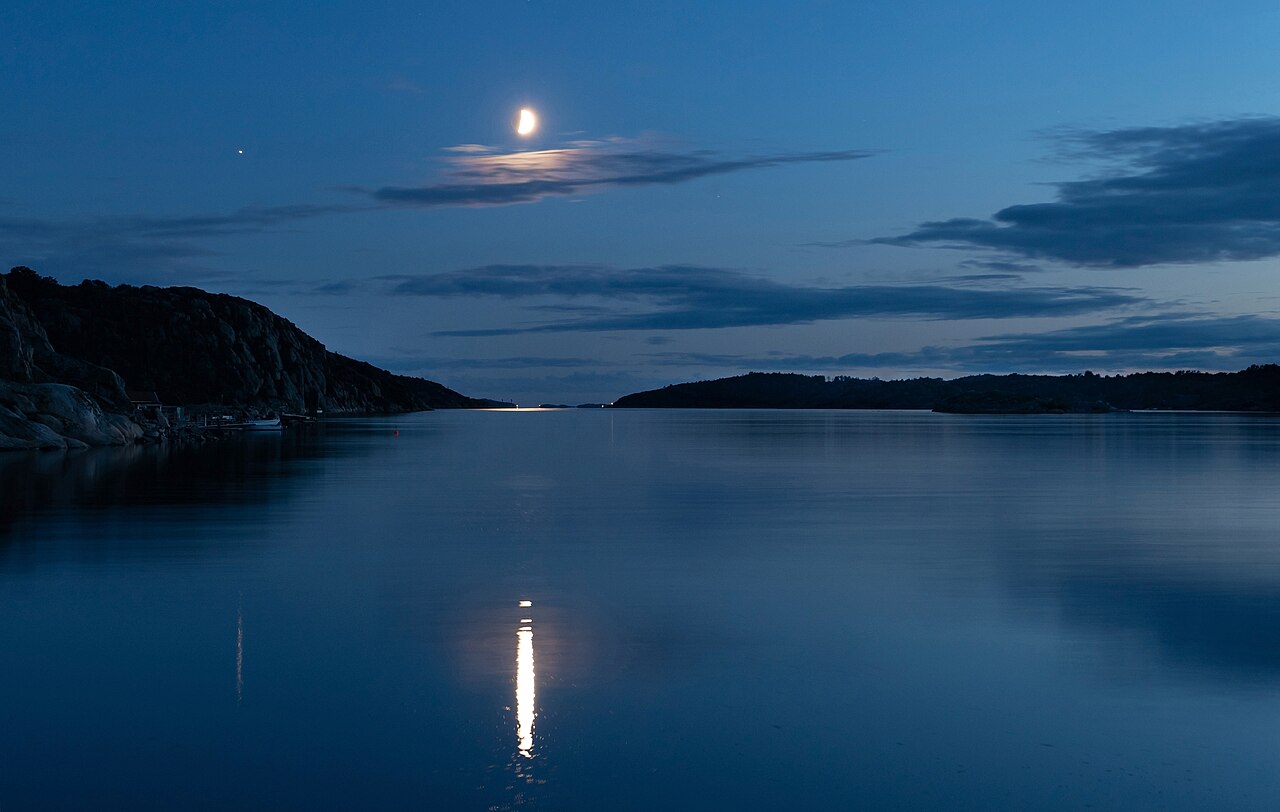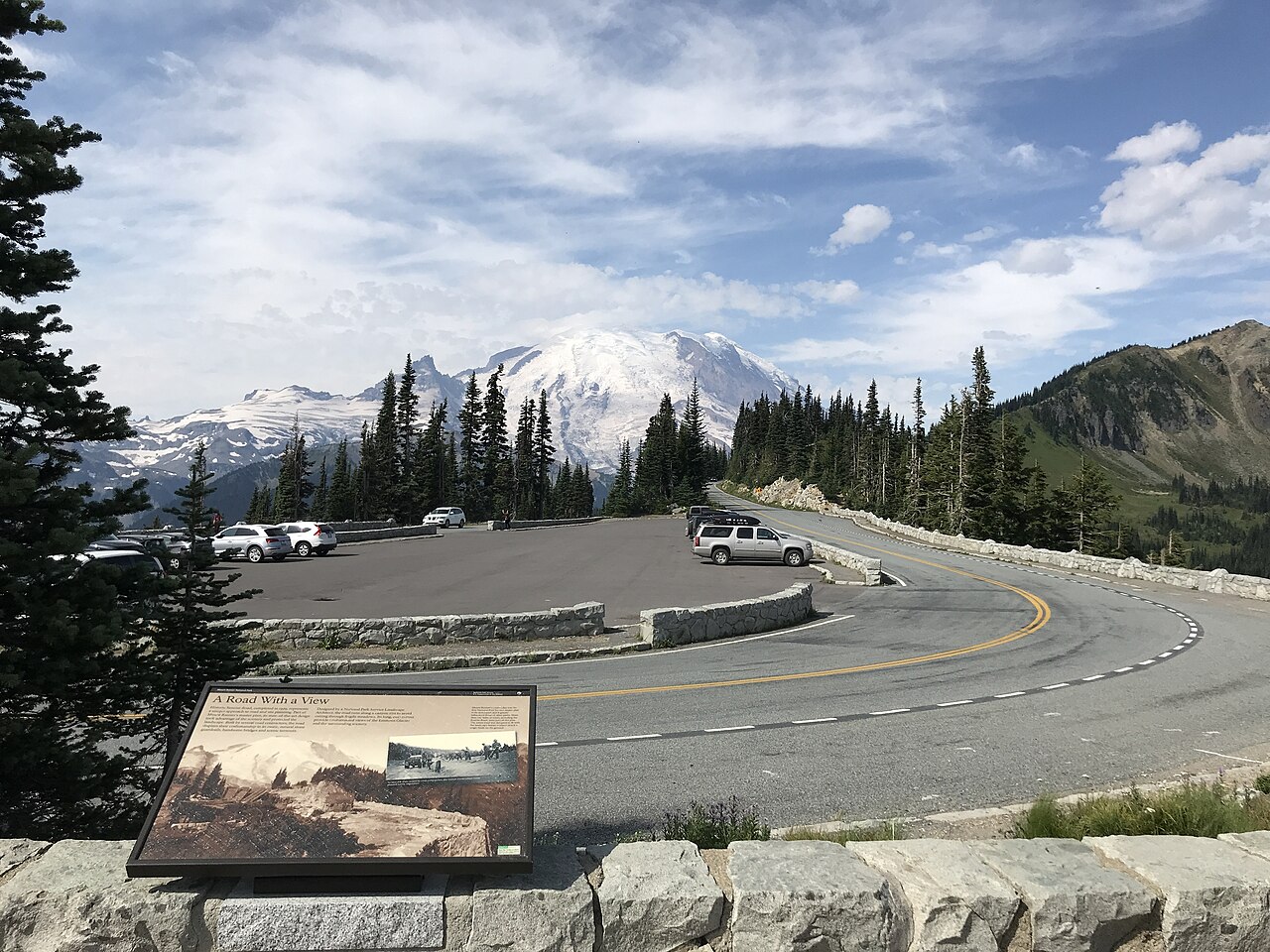
Quotes travel badly. A line gets clipped, pasted onto a sunset photo, and its author’s meaning goes missing along the way. So here are eight lines from writers and poets whose work is in the public domain, each with the context that makes it land harder than a wallpaper caption ever could.
1. Keats on Beauty
“A thing of beauty is a joy for ever.”
John Keats, Endymion, 1818
Keats was in his early twenties when he wrote Endymion, and critics at the time were rough on it. The line is often read as decoration, but it’s closer to a defense: beauty isn’t a luxury, it’s what stays with you when other comforts fail. He died young, in 1821, which gives the sentence a quiet weight.
2. Tennyson on Loss
“‘Tis better to have loved and lost / Than never to have loved at all.”
Alfred, Lord Tennyson, In Memoriam A.H.H., 1850
It’s printed on sympathy cards, but the poem behind it is a long elegy for Tennyson’s close friend Arthur Hallam, who died in 1833. The poem takes years of grief to arrive at that conclusion, and it isn’t glib about it. If you only know the line, read a few sections of the poem.
3. Thoreau on Ordinary Lives
“The mass of men lead lives of quiet desperation.”
Henry David Thoreau, Walden, 1854
This sounds like gloom, but Thoreau was making a case for examining how you spend your days. He built a small cabin near Walden Pond to test how little he really needed. You can disagree with his answer and still find the question useful.
4. Wilde on Perspective
“We are all in the gutter, but some of us are looking at the stars.”
Oscar Wilde, Lady Windermere’s Fan, 1892
It’s spoken by a character in a comedy of manners, not by Wilde himself in a sermon, and that matters. The wit is the point: even in a flawed world, what you look at is a choice.
5. Emerson on Being Misunderstood
“To be great is to be misunderstood.”
Ralph Waldo Emerson, Self-Reliance, 1841
Emerson was arguing against conformity, against changing your mind just to keep others comfortable. Be careful, though: the line doesn’t say that being misunderstood makes you great. It’s easy to flip it into an excuse.
6. Donne on Connection
“No man is an island, entire of itself.”
John Donne, Devotions upon Emergent Occasions, 1624
Donne wrote this while recovering from a serious illness, in a prose meditation about church bells tolling for the dead. The famous idea is that each person’s death diminishes everyone. It’s one of the plainest statements of shared humanity in English.
7. Dickinson on Hope
“Hope is the thing with feathers / That perches in the soul.”
Emily Dickinson, published 1891
Dickinson wrote nearly all her poems privately, and most appeared only after her death in 1886. Here hope is small, unglamorous and a bit birdlike. It doesn’t solve anything, but it keeps singing, which might be the more honest picture.
8. Tennyson on Persistence
“To strive, to seek, to find, and not to yield.”
Alfred, Lord Tennyson, Ulysses, 1842
Ulysses is an older man who refuses to settle into a quiet life. The line closing the poem is a vow, not a slogan, and it carries a note of melancholy: this is a person aware that time is short.
How to Use a Quote Well
- Find the original source. Many online attributions are wrong.
- Read the sentences around the line.
- Credit the work, not just the name.
- Ask what the writer was arguing against.
Why These Lines Last
- They’re short enough to remember.
- They name a feeling most people have had.
- They come with a story, a life or an argument behind them.
The best quotation is a doorway. It should send you toward the poem, essay or play it came from.
A Word on Misquotation
Famous lines attract false attributions. You’ll see words credited to Wilde, Dickinson or Thoreau that none of them wrote, simply because the name sounds right. A reliable quote has a title, a year and ideally a page you can check. If a line comes with only a name and a picture of a mountain, be skeptical.
Context can change a quote’s meaning entirely. Thoreau’s line about quiet desperation isn’t a complaint; it opens an argument for living more deliberately. Donne’s island line comes from a meditation on illness and death, not a greeting card. When you read the surrounding page, the sentence stops being a motto and turns back into thought.
That’s the real reason to go back to the source: the quote becomes less tidy and more alive.
If you only take one habit from this list, make it this: whenever a line moves you, look up where it came from and read one page on either side. You’ll usually find a better sentence waiting nearby, and sometimes a whole new author to follow.
Frequently Asked Questions
Why do you only use public-domain authors?
Works published long ago can be quoted freely, and it lets us give you accurate, sourced lines. For modern writers, we’d rather point you to their books than copy lines.
How can I check if a quote is real?
Search for the title and a phrase from the line in a library catalog or Project Gutenberg. If you can’t find it in a printed source, treat it with suspicion.
Which quote is best for a personal journal?
Dickinson’s line on hope is a gentle choice, while Tennyson’s lines from Ulysses suit a goal-setting page. Pick the one that matches the mood you actually have.