Graduation speeches love “The Road Not Taken.” Greeting cards love it. Almost nobody, it seems, has read the whole thing slowly. Because if you do, the poem doesn’t say what the posters claim it says.
The Poem Everyone Thinks They Know
Robert Frost, born in 1874 and died in 1963, published the poem in 1915 in The Atlantic Monthly and then in his 1916 collection Mountain Interval. The popular reading goes like this: the speaker bravely picks the harder, lonelier path, and that choice makes a great life. Be a nonconformist. Follow your own way.
It’s a nice message. It just isn’t quite in the text.
What the Poem Actually Says
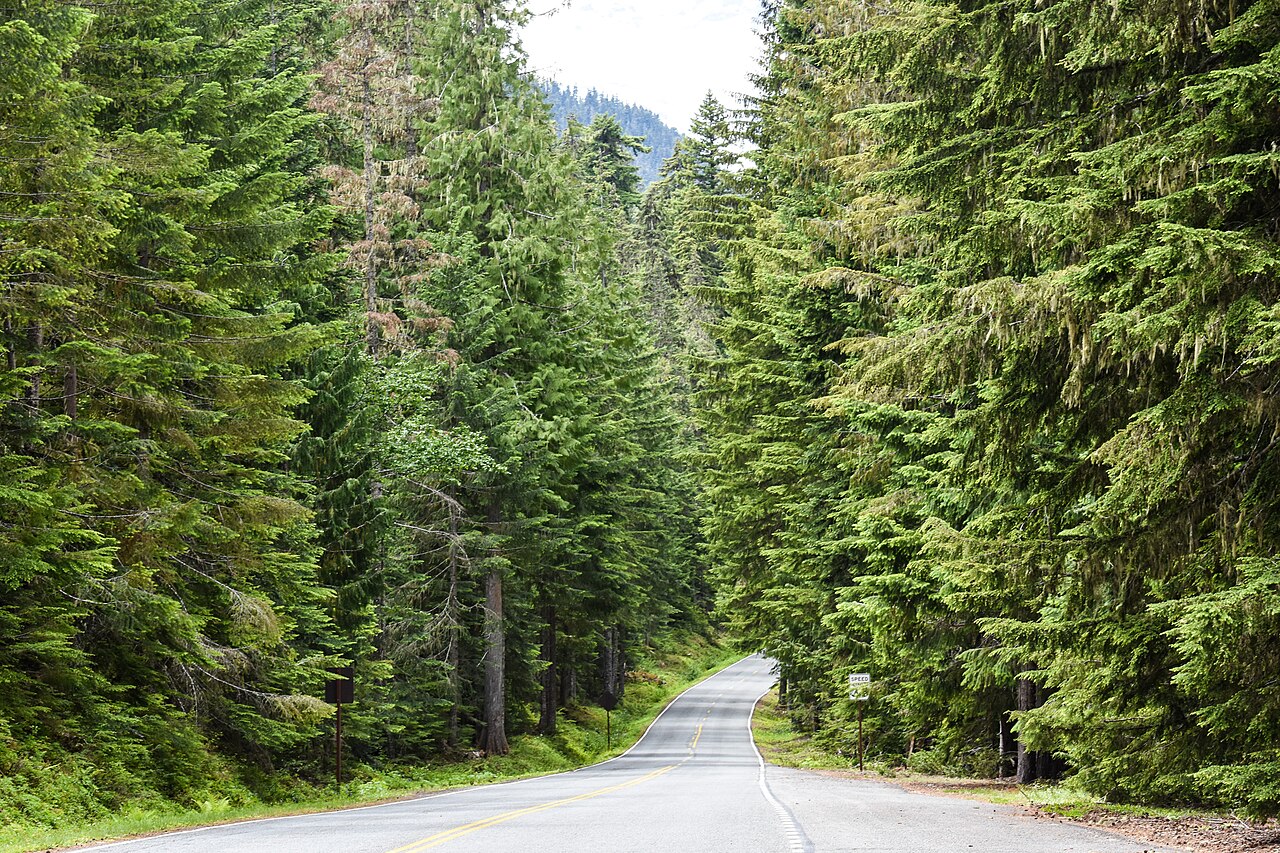
The speaker stands in a yellow wood, facing two paths. He looks as far as he can down one, then takes the other. Here’s where the myth cracks.
Though as for that the passing there
Had worn them really about the same,
The two roads are nearly identical. The speaker admits it. A few lines later he says both paths that morning “equally lay / In leaves no step had trodden black.” There is no obviously less-traveled road. He chooses, more or less, at random.
The Famous Last Lines
I shall be telling this with a sigh
Somewhere ages and ages hence:
Two roads diverged in a wood, and I—
I took the one less traveled by,
And that has made all the difference.
Look at the verbs. “I shall be telling.” The speaker is predicting how he’ll talk about this choice years from now. And he’ll tell it “with a sigh.” Is that a sigh of satisfaction or regret? Frost doesn’t say. What he’s showing is how people retell their lives, smoothing messy, arbitrary decisions into stories of destiny.
Three Details That Change the Reading
“Really about the same”
The word “really” is the speaker quietly arguing with himself. He wants one road to feel special, and the evidence won’t cooperate.
The sigh
A sigh suggests wistfulness, maybe a pang for the other path. It’s hard to hear triumph in it.
The title
Notice it’s called “The Road Not Taken.” The poem’s real subject is the road he left behind and will always wonder about.
A Poem With a Private Joke
Frost had a close friend in the English writer Edward Thomas, and the two took long walks together in the English countryside before the First World War. The story often told is that Thomas tended to fret over which route to take and then regret whichever he chose, and that Frost wrote the poem partly as a gentle tease. Thomas reportedly took it quite seriously, and Frost later said people misread it. Thomas was killed in the war in 1917.
I like this backstory because it explains the tone. The poem is wry. It’s laughing a bit at a person who will later inflate a coin-flip into a philosophy.
Is the Popular Reading Wrong?
Not entirely, and I won’t pretend otherwise. A poem can outgrow its author’s intentions, and many readers have found genuine courage in those last lines. The problem is only when we think the poem endorses a view it’s actually poking at.
The richest way to hold it is to keep both readings. It’s an inspiring slogan and a sly portrait of self-deception. Frost is good at that: a plain surface and a trapdoor underneath.
How to Read It Fresh
- Read the poem aloud from the top, ignoring what you’ve been told about it.
- Underline every place the speaker describes the two roads as alike.
- Mark where the future tense begins.
- Decide for yourself what the sigh means.
- Read the last stanza again and ask who the speaker is trying to convince.
What It Teaches Writers
- Plain language can carry doubt without announcing it.
- A poem’s meaning often sits in the verb tense.
- Famous endings can mislead if you skip the middle.
- Ambiguity isn’t vagueness. Frost is exact about his uncertainty.
Frost’s Habit of Hiding in Plain Sight
Frost liked poems that look simple and aren’t. He once described poetry as something that begins in delight and ends in wisdom, but the wisdom in his work is rarely tidy. His farm poems, his woodland poems and his snowy evening stops all carry a darker undertone if you listen. “Stopping by Woods on a Snowy Evening” seems like a gentle scene until its last repeated line starts to feel like a pull toward something bigger.
“The Road Not Taken” belongs in the same family. Read it as sunny and you’ve read half of it.
Next time someone quotes the last line at you, ask them to recite the one before it. Most can’t. That tells you how much of the poem the slogan has swallowed, and how much is waiting for you when you read it properly.
Frequently Asked Questions
Is “The Road Not Taken” about individualism?
It’s often read that way, but the text says the two roads were worn about the same. Many critics see the poem as a look at how we justify our choices after the fact.
When was the poem published?
It appeared in The Atlantic Monthly in 1915 and in the collection Mountain Interval in 1916.
What does the sigh mean?
Frost leaves it open. It might signal regret, nostalgia or self-satisfaction, and the ambiguity is part of the poem’s pull.