Some poems you read. “To Autumn” you could almost eat. Keats packs apples, gourds, hazelnuts, honey and cider into three stanzas, then ends on a handful of birds in the evening sky. It’s his calmest great poem, and probably the most perfectly shaped. Let’s walk through it stanza by stanza.
Background
Keats wrote “To Autumn” on 19 September 1819, after a walk near Winchester, and it appeared in his 1820 collection. He was in his early twenties, ill health and money worries pressing in, and yet the poem contains none of the anguish of his earlier odes. It’s an ode, a formal address to something, and here the thing addressed is a season, spoken to as if it were a person who could hear.
The form is tidy. Each of the three stanzas runs eleven lines, with a rhyme pattern that opens like a quatrain (ABAB) and then closes with a longer, rolling stretch. Eleven lines, not the ten of Keats’s other odes. That extra line gives each stanza a slow, lingering exhale.
Stanza one: ripeness
The poem opens with a famous phrase:
Season of mists and mellow fruitfulness,
Close bosom-friend of the maturing sun;
Two things stand out. First, the sound: those soft m’s (“mists,” “mellow,” “maturing”) hum like a low note held on a cello. Second, the idea of friendship. Autumn and the sun are partners who “conspire” to load the vines and bend the trees with fruit. Nothing is violent or hurried. The whole stanza is about swelling, filling and ripening, as though the world were being gently stuffed to bursting.
Note how many verbs push outward: to bend, to fill, to swell, to plump. By the end, the bees think “warm days will never cease.” It’s a lovely little irony, because we know they will.
Stanza two: the figure of Autumn
Now the season becomes a person. Keats pictures Autumn sitting carelessly on a granary floor, hair lifted by the wind of the winnowing, then “sound asleep” in a half-reaped field, then a gleaner crossing a brook with a load on her head, then someone watching a cider-press squeeze out its last drops “hours by hours.”
This stanza is about work, but a very particular kind: harvest work that has paused. The reaper has dropped the hook. The air is drowsy with poppies. Everything has slowed to a stop right before the next stage.
It’s worth noticing what Keats does with time. In stanza one, the season is growing. In stanza two, it’s resting. We’re sliding forward through the year without being told.
Stanza three: music and ending
The third stanza opens with what feels like a confession, almost a direct reply to a question the reader may be asking:
Where are the songs of Spring? Ay, where are they?
Think not of them, thou hast thy music too,
This is the one place where the poem admits loss. Spring is gone, and so, by implication, is everything that spring stands for, youth most of all. Keats brushes the thought aside, gently. Autumn has its own music, he says.
What follows is a chorus of small sounds: gnats mourning “in a wailful choir,” lambs bleating, hedge-crickets singing, a robin whistling, and finally swallows gathering. The poem closes with:
And gathering swallows twitter in the skies.
The swallows are about to leave. That one line quietly says winter is coming and the year is ending, but it says so as a sound, not as a statement.
What Keats is really doing
On its surface, this is a nature poem. Underneath, many readers hear a poem about accepting change and decline. Keats never says “death.” He just lets the season move from fullness to rest to departure, and lets us feel it. The tone stays warm, which makes the underlying sadness more affecting.
Some features worth noticing on a second reading:
- Sensory range. Sight, sound, touch, taste and smell all show up.
- Time of day. The poem edges from morning mist toward “soft-dying day” in the final stanza.
- Personification. Autumn becomes a reaper, a gleaner, a watcher, never a villain.
- No pronouncement. Keats lets images carry the meaning.
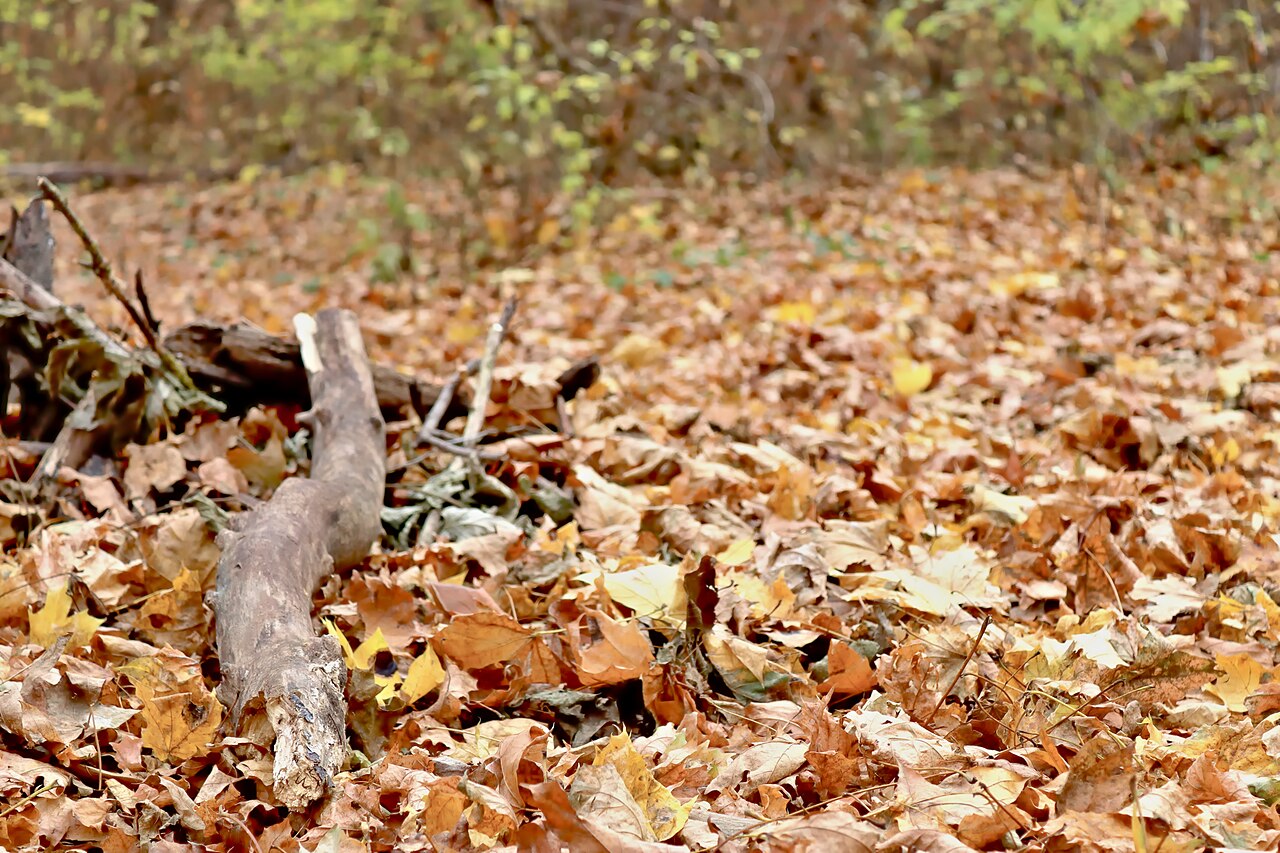
It also helps to picture the setting. Keats described the stubble-fields that day as looking warm, and you can feel that low, golden light running under the whole poem. Nothing in it is dramatic, and that restraint is exactly why it works. The season does its job, the animals make their noises, and the reader is left standing quietly in the middle of it all.
How to read it for yourself
Try this: read the poem aloud once for sound alone, ignoring meaning. Then read it again looking for movement from morning to evening and from ripeness to leave-taking. Finally, ask what the poem leaves out. It has no people talking, no argument, no “I.” That absence gives it an unusual calm.
One personal view: this is the poem to give to anyone who says poetry is hard. Nothing in it needs decoding. You only need to slow down.
Frequently Asked Questions
When did Keats write “To Autumn”?
He wrote it on 19 September 1819. It was published the following year in his 1820 volume of poems.
What is “To Autumn” about?
On the surface it celebrates the season’s harvest and sounds. Beneath that, many readers see a quiet meditation on time passing and the acceptance of endings.
Why is “To Autumn” considered one of Keats’s best poems?
Critics often praise its balance, its rich sensory detail, and its smooth movement through three stanzas. It achieves a feeling of completeness without ever stating a moral.