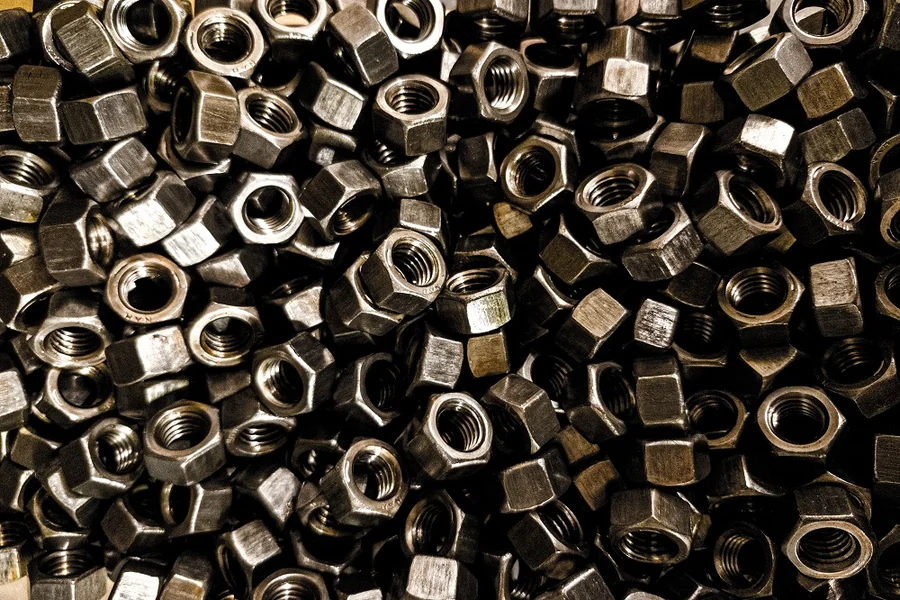
Keeping mechanical parts securely connected is essential for equipment to function properly. However, regular nuts may gradually loosen when machinery experiences constant vibration or repeated movement. Even a slight change in tightness may affect how components fit together, especially in equipment that operates for long periods.
Locknuts help prevent this problem through designs that create additional resistance against unwanted rotation. Although they may look similar to standard nuts, their locking features offer added security for threaded connections. This makes them useful in many mechanical applications where fastener stability matters. Here are a few reasons they play an important role in maintaining strong and reliable connections.
Keep Fasteners Tight
Vibration is one of the main reasons threaded connections become loose. As machinery runs, repeated movement may gradually cause ordinary nuts to turn out of position. Even a small amount of movement can affect how securely parts stay connected, especially when equipment operates for long periods.
Locknuts help prevent this problem through their built-in locking features. Some designs have nylon inserts that grip the bolt threads, while others use specially shaped metal threads to hold the nut in place. These features make it harder for the nut to loosen during normal equipment use.
With a stronger grip on the threads, the connection stays secure even when machinery experiences regular vibration. This means less time spent checking and tightening fasteners and more confidence in the equipment’s performance.
Maintain Proper Component Alignment
Keeping fasteners tight also helps individual components stay in their intended positions. When a connection loosens, nearby parts may shift and affect how the entire assembly works. Even minor movement may cause friction or interfere with the smooth operation of mechanical systems. This makes connection stability particularly important in machinery with moving parts.
Locking nuts help limit unwanted movement by adding resistance to the threaded connection. Their added holding force supports proper component positioning during regular use. Maintaining this alignment also helps prevent unnecessary strain on surrounding parts.
Provide Added Resistance to Vibration
While maintaining alignment is important, some applications face more demanding operating conditions. Some equipment experiences constant movement during normal operation, which puts extra strain on its fasteners. Over time, these vibrations may cause standard nuts to loosen, especially when machinery runs for long hours. A loose connection may affect equipment performance and lead to additional maintenance.
Locknuts help prevent this problem by creating a stronger grip on the bolt threads. Their locking features make it harder for repeated movement to turn the nut out of position. This helps keep connected parts secure, even when the equipment experiences regular vibration.
The type of locknut also matters because not all applications face the same conditions. Equipment movement and the demands of daily operation all affect which design works best. Using the right locknut helps keep connections secure and gives equipment a more reliable hold during use.
Support Safer Equipment Operation
Fastener security affects more than the stability of individual components. A loose connection may allow parts to move unexpectedly, potentially interfering with nearby mechanisms.
In certain applications, this movement may create hazards for workers or affect equipment operation. Using suitable locking hardware helps reduce the likelihood of these problems. By resisting unwanted rotation, locknuts help keep assembled components in their intended positions.
However, proper fastener selection alone does not guarantee a secure connection. Correct installation and routine inspections remain important for identifying wear and maintaining equipment safety.
Reduce Frequent Maintenance Adjustments
Since fasteners play such an important role in equipment stability, maintenance teams need to check them regularly. Connections that loosen frequently may require repeated tightening, adding more work during routine inspections. This becomes especially inconvenient in machinery with numerous bolted joints.
Locknuts help reduce the likelihood of unwanted loosening, which may limit the need for frequent adjustments. Their locking features provide additional resistance during normal operation. Still, they do not eliminate maintenance requirements. Threads and locking elements may wear with use, so technicians should inspect them and replace damaged hardware when necessary.
Offer Different Designs for Specific Applications
The need for regular inspection also highlights why selecting the right fastener matters. Not every mechanical connection faces the same working conditions, so the right locknut depends on the needs of the application. Operating temperature and the type of assembly all play a role in determining which design will provide a secure fit. Understanding these differences helps prevent problems caused by using the wrong fastener.
Nylon insert locknuts feature a polymer collar that grips the bolt threads and helps prevent unwanted rotation. This design works well for applications within the insert’s recommended temperature range. All-metal locknuts, on the other hand, use specially formed threads to create their locking action. Their metal-to-metal construction makes them suitable for applications that require greater heat resistance.
Flanged locknuts offer another practical option. Their wider base provides a larger bearing surface beneath the nut, helping spread clamping pressure across the connected material. With several designs available, understanding how each one works makes it easier to select a locknut that suits the assembly and its operating conditions.
Maintain Long-Term Connection Reliability
Choosing the right design is only part of keeping a mechanical connection secure. Fasteners must also withstand repeated operating cycles and the demands of everyday equipment use. Changes in load and constant movement may gradually affect their performance, making reliable fastening especially important.
Locknuts help address these conditions by resisting unintended rotation along threaded connections. Their effectiveness still depends on correct sizing and proper installation. An unsuitable fastener may fail to provide the resistance an application needs. Regular inspections also help technicians identify worn or damaged components before they affect the assembly. These practices support dependable connections throughout the equipment’s intended service life.
Final Thoughts
Strong mechanical connections start with the right fastening hardware. Even a small nut plays an important role in keeping components secure and helping equipment operate as intended. Locknuts provide added resistance against loosening, making them useful in applications that experience regular vibration and movement. Their different designs also give engineers and technicians practical options for various fastening requirements. Overall, with proper selection and installation, these fasteners help keep mechanical assemblies stable and reliable.